The Hub · Bau, Sarawak
The Organic Resource Recovery Hub
A purpose-built, integrated bio-conversion facility on about half a hectare. It combines automated multi-layer vertical larvae rearing with industrial compost fermentation troughs.
Location
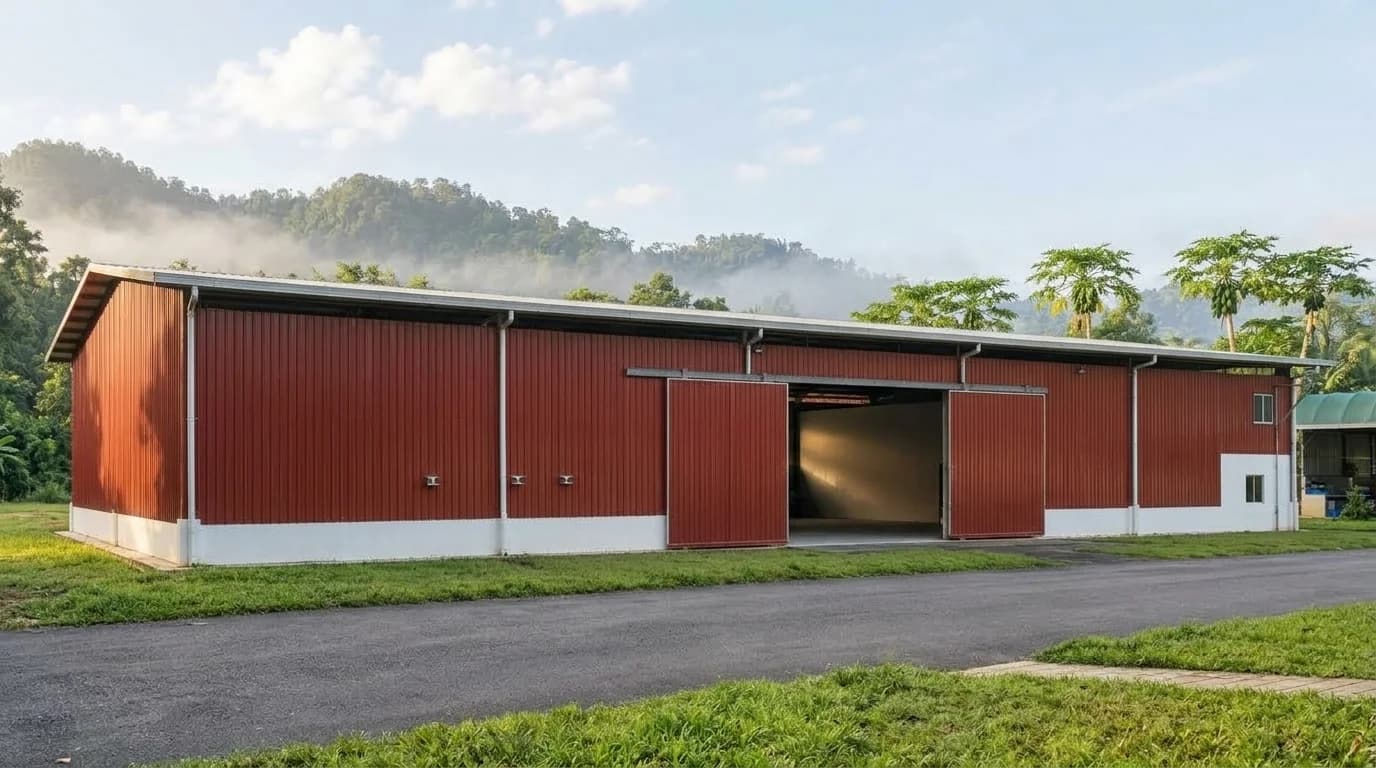
The Hub sits in rural country about 38 km from Kuching, near the forested limestone hills of Bau.
Lorong 7, Jalan Jugan Buso94000 Bau, Sarawak, Malaysia
Capacity
Design capacity at full operations
These figures describe what the Hub is designed to handle at full operations, not current throughput.
- Poultry manure
- 30–40tonnes / day
- From adjacent poultry farming operations
- Commercial food waste
- up to 2tonnes / day
- Hand de-packaged, then minced
- Green landscape waste
- 10–15tonnes / day
- Trimmings, grass and prunings, used as a carbon bulking agent
Output
~400
tonnes / month
High-grade organic fertiliser
Plus commercial volumes of insect protein and frass
Site layout
Four zones, one flow.
The site is organised into four zones, from receiving to dispatch.
 Zone 1
Receiving & Logistics
Every load in and out is accounted for.
- Weighbridge logging incoming feedstock and outgoing product
- Separate unloading bays for agricultural, food and green waste
 Zone 2
Processing
Where biology does the heavy lifting.
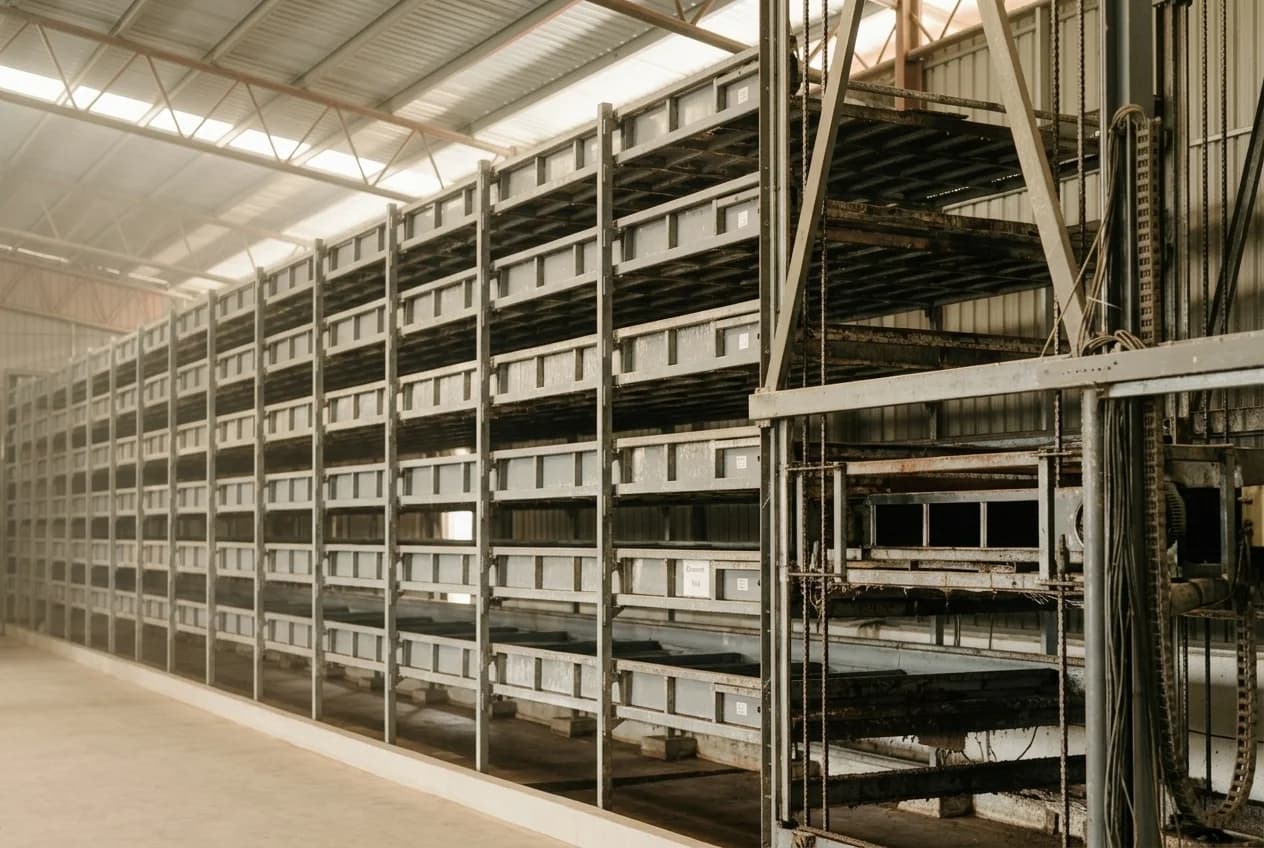
- Climate-controlled Black Soldier Fly breeding
- Multi-layer vertical automated rearing racks
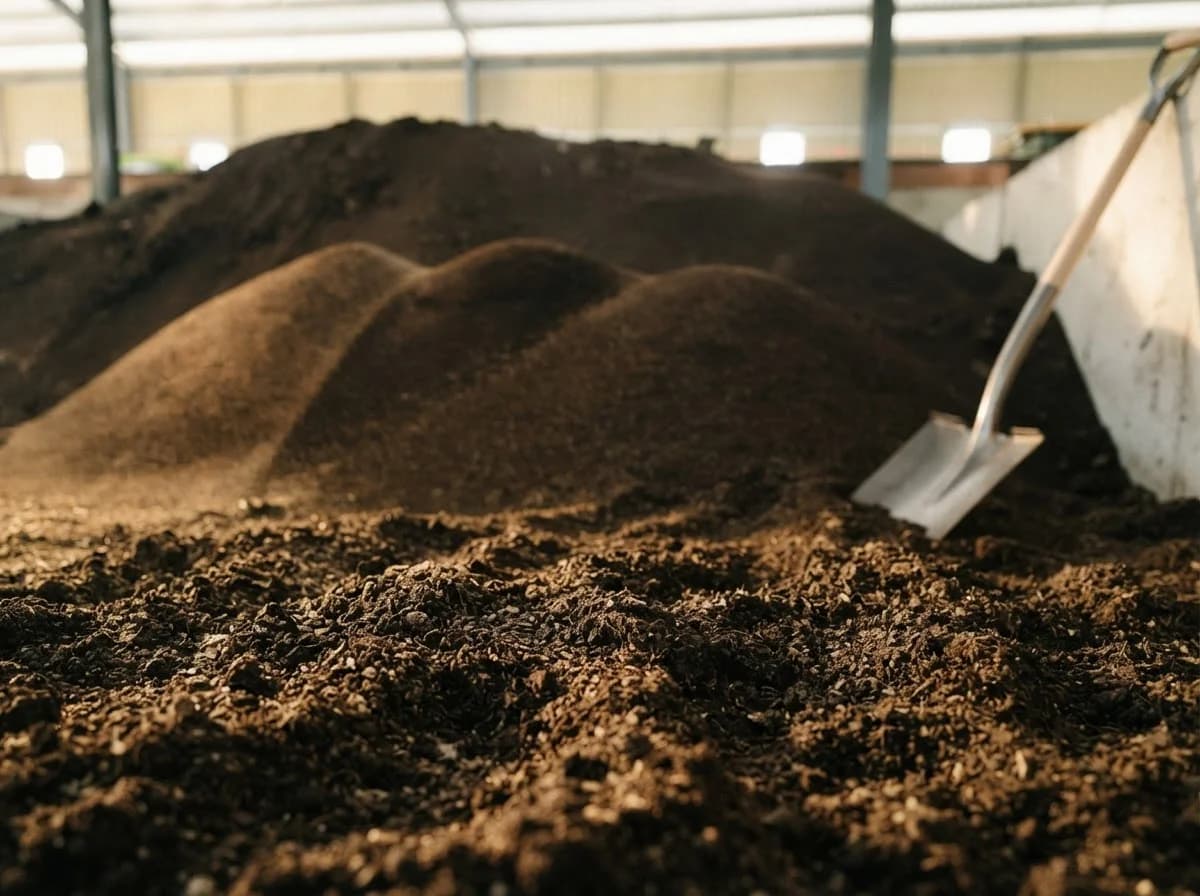
- Aerobic composting fermentation troughs
 Zone 3
Product Refining & Dispatch
From raw output to finished product.
- Trommel screening and crushers
- Automated bagging
- Dry finished-product warehouse
 Zone 4
Administration & Technical Support
Quality starts with measurement.
- Office
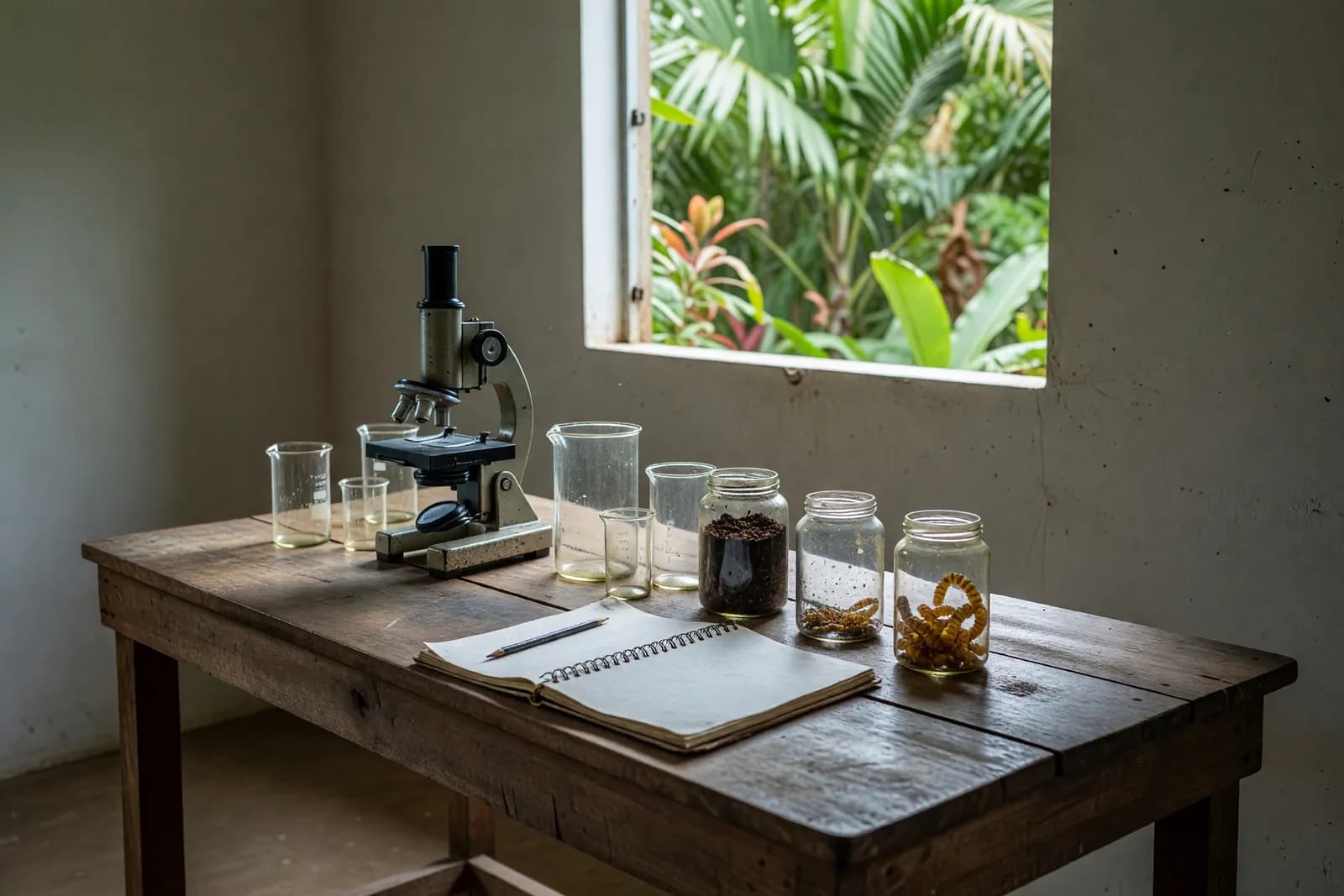
- Laboratory for biological quality and feed testing
- Staff facilities
Feedstock
What comes in, and how it is prepared.
Landscape waste
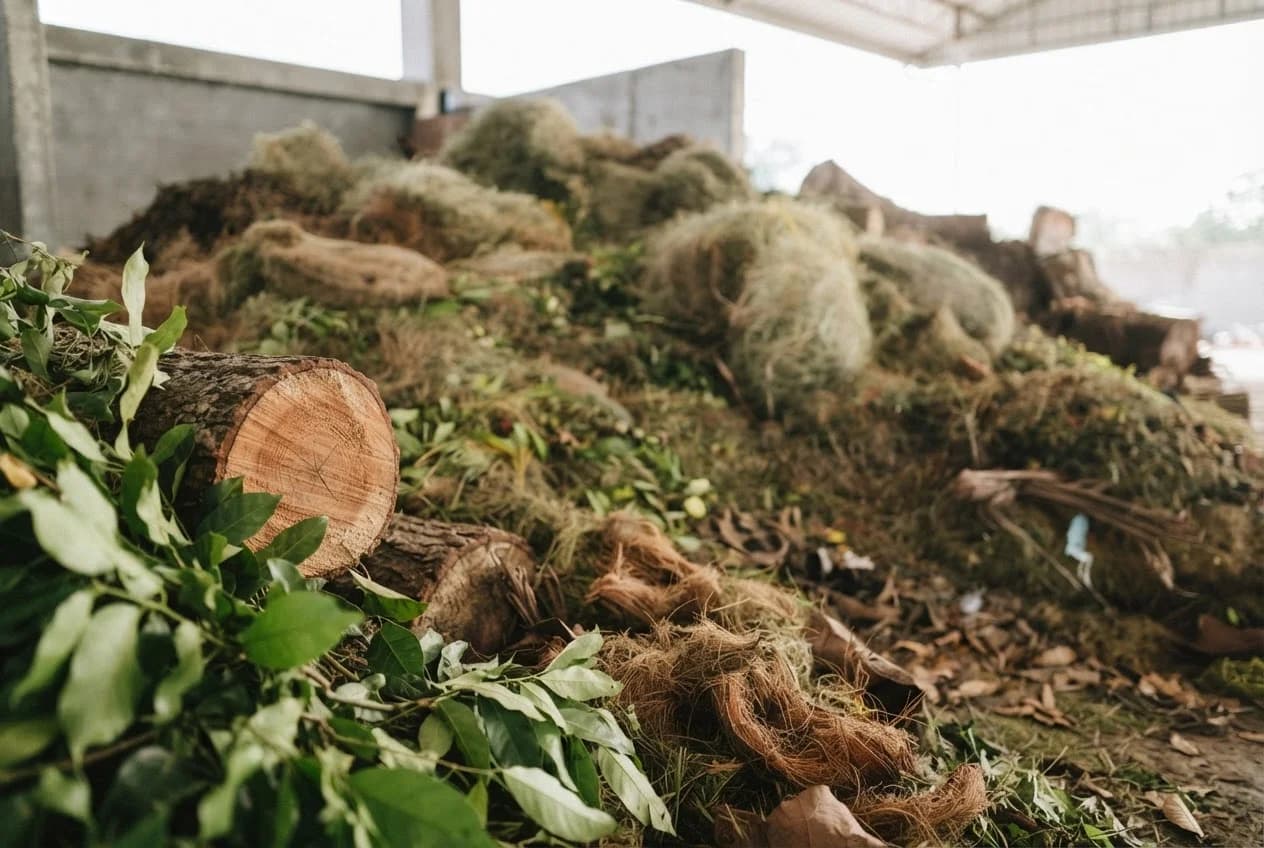
An industrial log splitter and chipper turn trimmings and prunings into a carbon bulking agent for composting.
Food waste
Workers remove packaging by hand, then the food waste is minced before it goes to the larvae.
We accept
Non-hazardous organic material only.
- Agricultural manure
- Food scraps
- Plant trimmings
We do not accept
These materials are rejected at receiving.
- Plastics
- Glass
- Metals
- Hazardous waste
- Medical waste
Water & on-site ecology
Plants clean the water. Compost feeds the soil.
Biological systems manage water across the Hub, and the Hub’s own compost and frass go back into the ground.
Phytoremediation ponds
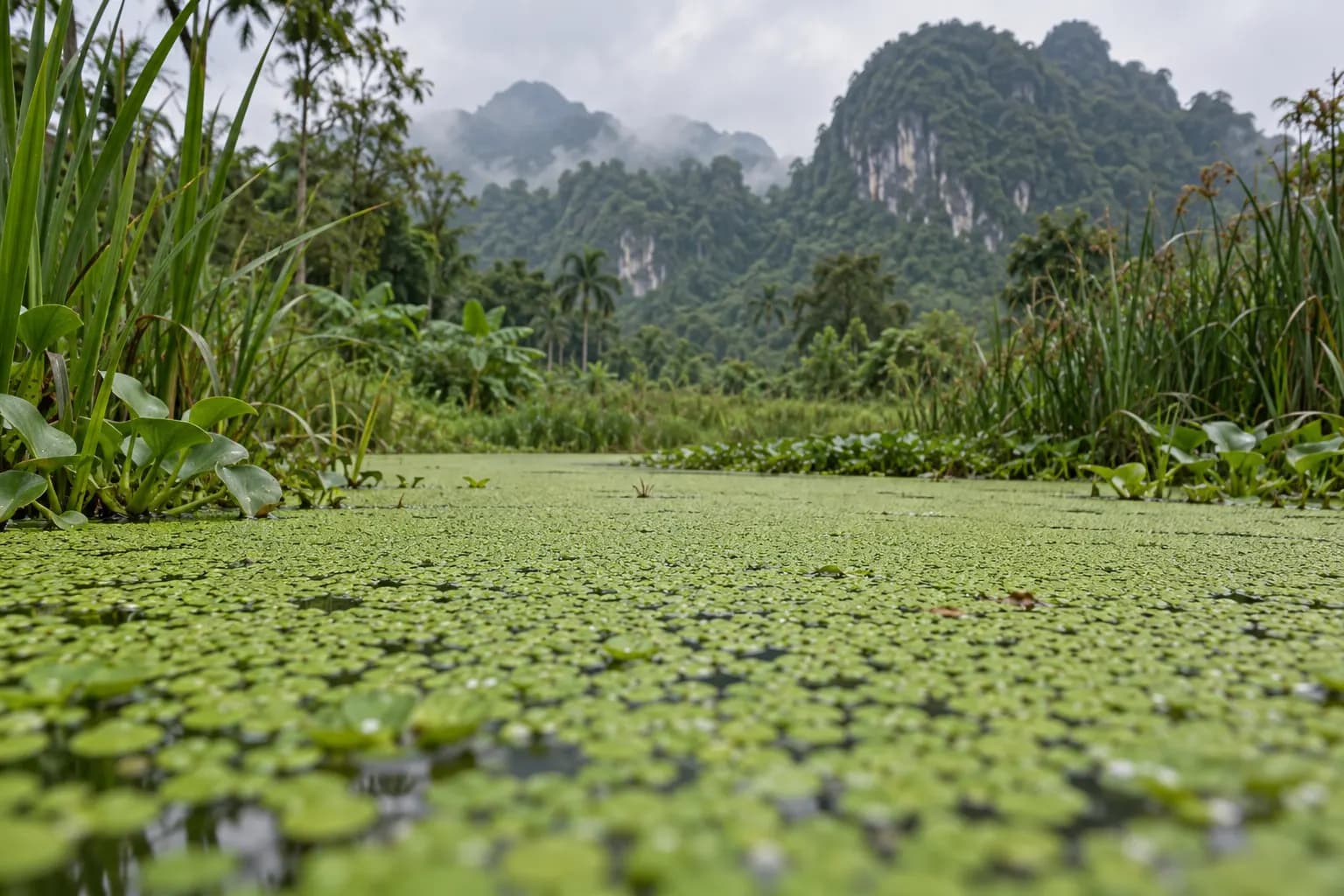
Washdown water and rainwater pass through biological ponds planted with floating duckweed (Lemna minor) and other aquatic plants. The plant biomass we harvest goes back into composting.
Organic papaya and vegetable plot
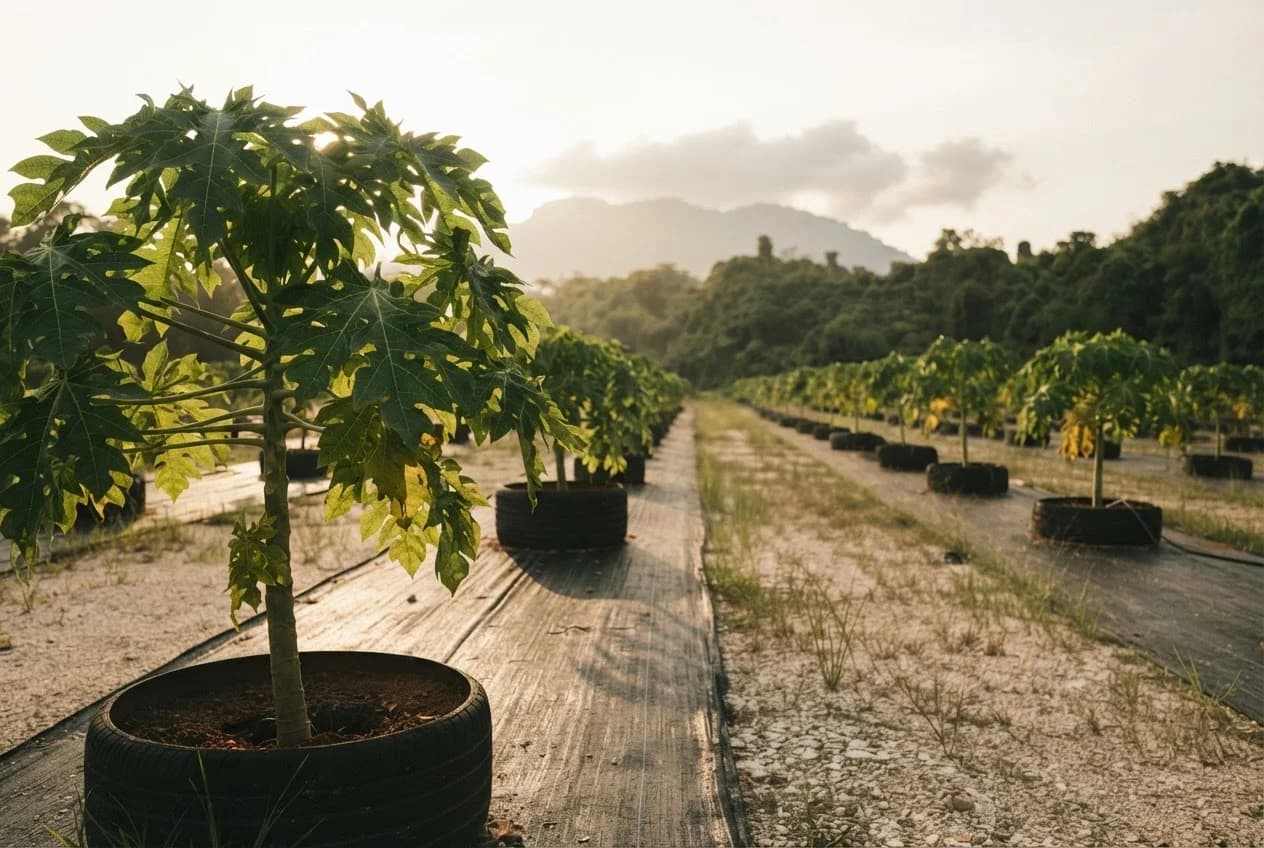
Our on-site plot is fed with the Hub’s own compost and frass. Pests are managed with natural repellents made from plant ingredients, with zero synthetic chemical pesticides.
Aquaculture research bioponds
Two research bioponds study water quality and the nutrition of live Black Soldier Fly larvae as feed.
Leachate treatment
Organic leachate and runoff from sorting pass through grease traps into anaerobic septic digestion and storage. The treated effluent is used for landscape irrigation.
Questions about the Hub?
Partners, researchers and media are welcome to ask about the facility and how it works.