
Technology
An insect that turns waste into protein.
At the heart of the Hub is the Black Soldier Fly. Its larvae convert organic waste into protein and frass, and a composting line turns the rest into fertiliser.
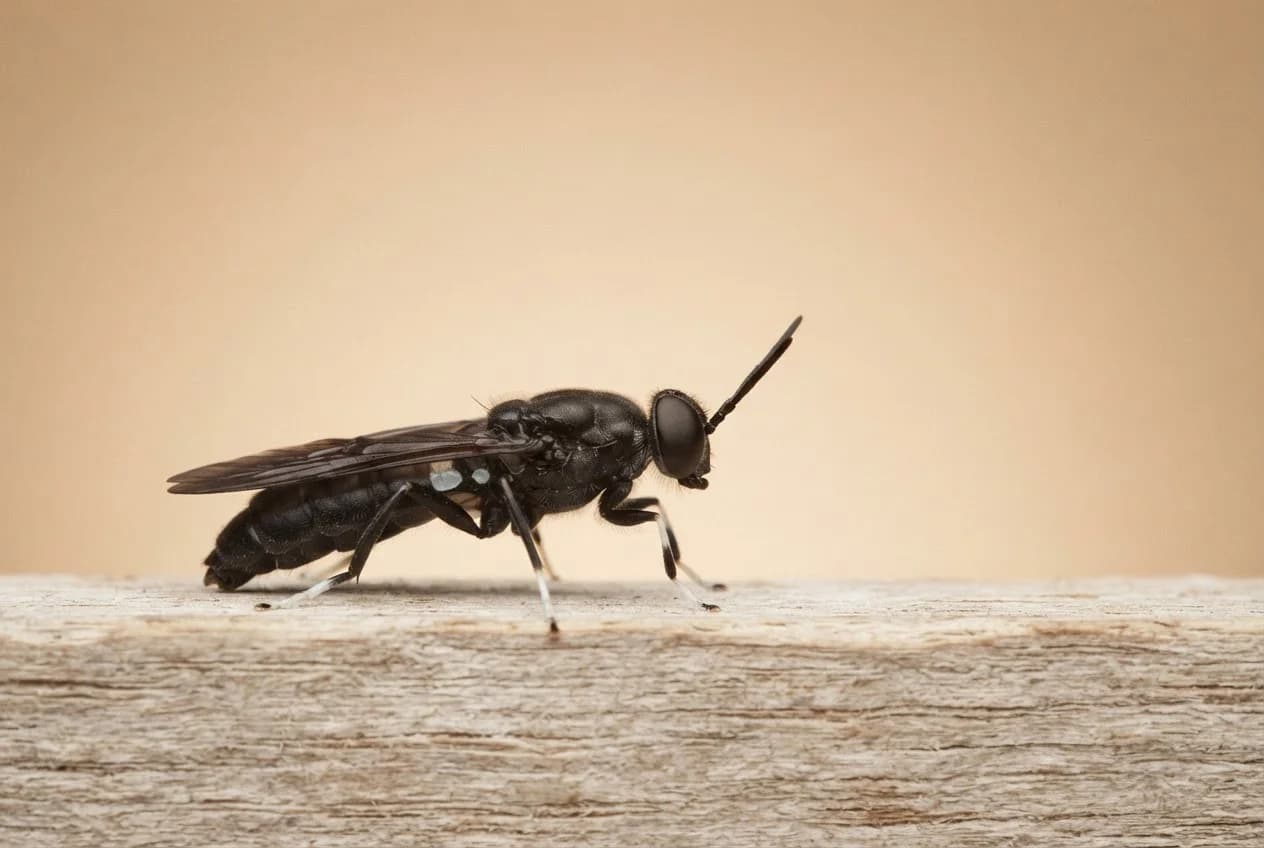
Meet the fly
Hermetia illucens
- Adult Black Soldier Flies are slender and black, with smoky translucent wings and white bands on their legs.
- They are not houseflies. Adults have no working mouthparts, so they do not bite or feed.
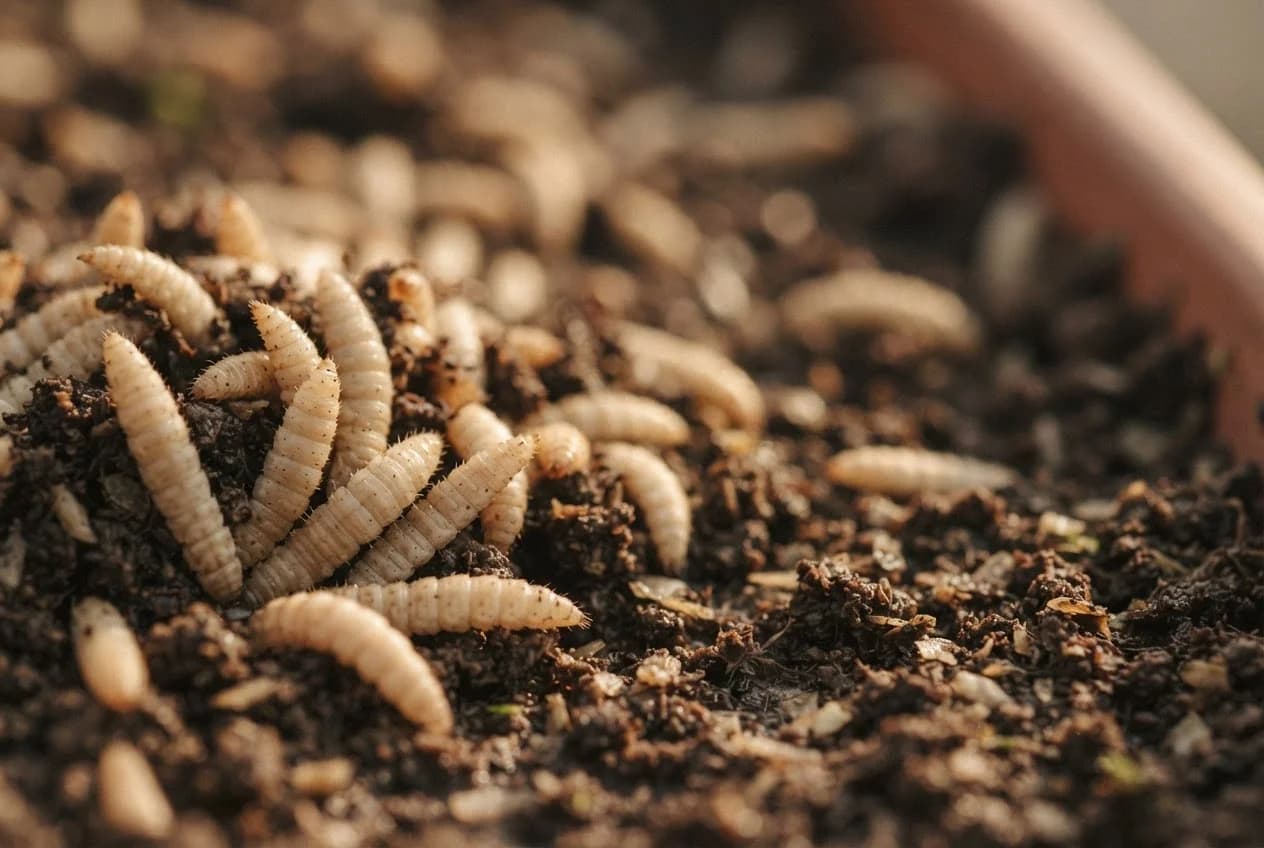
- Their larvae are cream to tan in colour and feed on organic material, turning it into protein and frass.
The lifecycle on site
Seven stages, from egg to protein powder.
Each stage of the fly’s life has its own place at the Hub.
- 1
Broodstock & love cages
Adult flies mate in love cages and lay their eggs on wooden egg-collection sticks.
- 2
Hatchery & incubation
Neonate larvae hatch in incubation rooms and receive a nutrient-rich starter feed prepared in an industrial feed blender.
- 3
Parent-stock bioponds
Dedicated bioponds maintain healthy breeding colonies.
- 4
Pupation: the waiting stage
Dark-brown pre-pupae mature, then emerge as adults into the love cages to begin the cycle again.
- 5
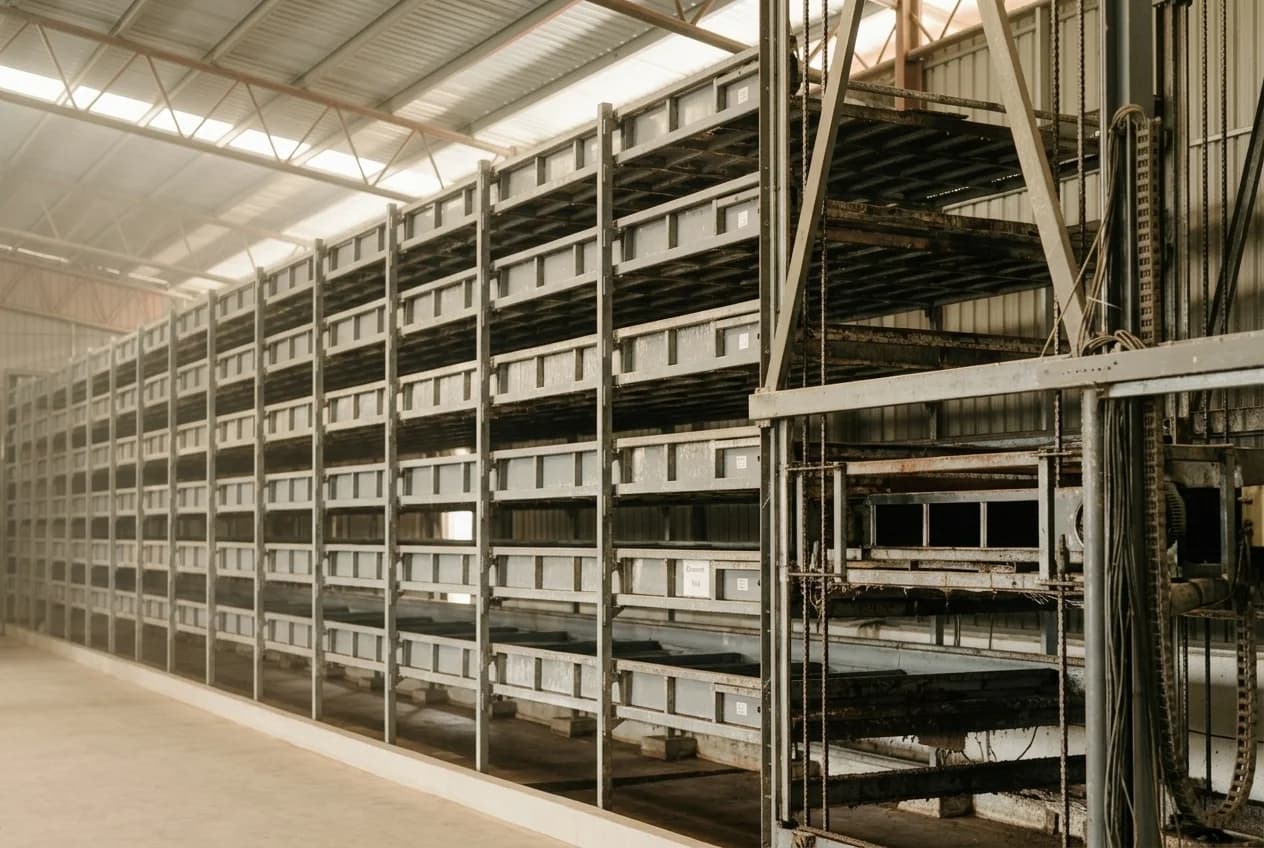
Automated vertical cultivation
Multi-layer racks make efficient use of space and allow fast bioconversion of organic waste.
- 6
Mechanical harvesting
An automated separator splits mature larvae from their frass.
- 7
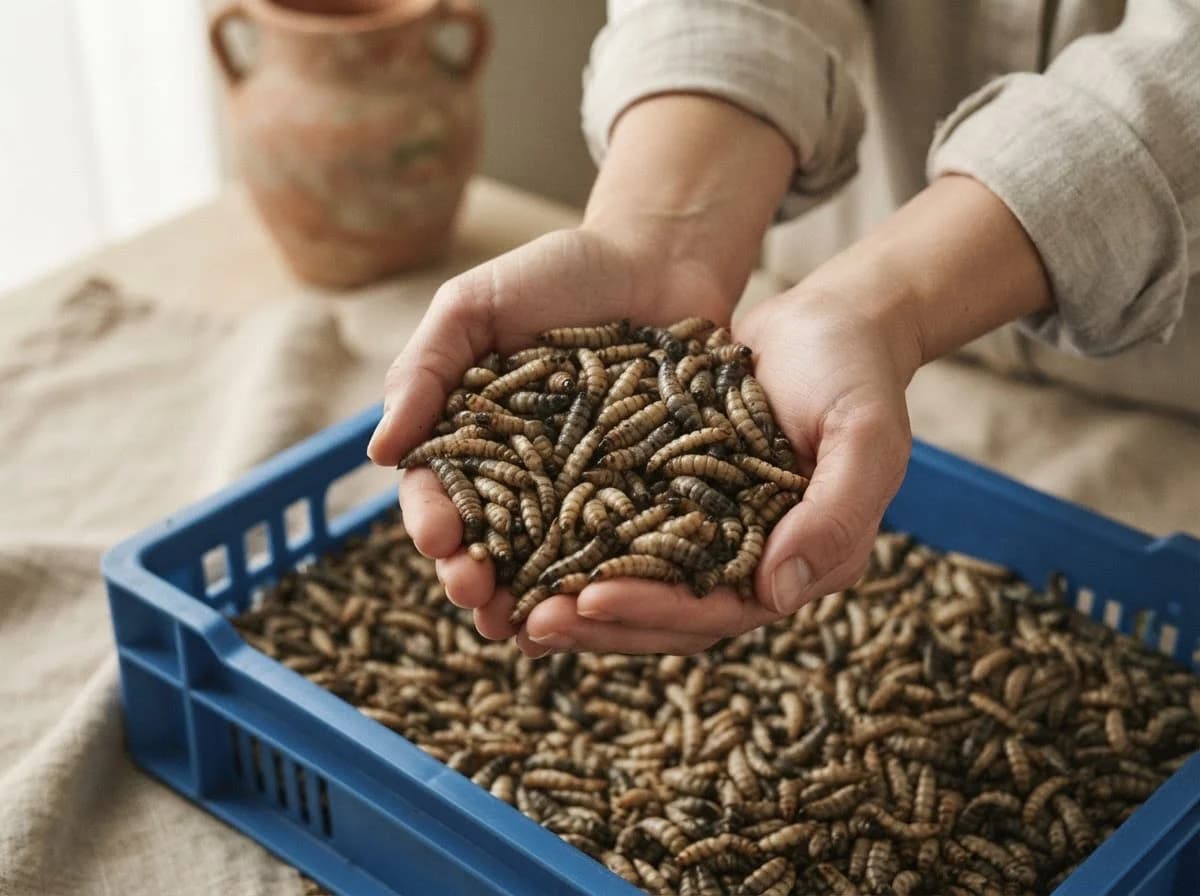
Larvae processing
An industrial microwave dryer preserves the nutrient profile, and a precision pulveriser mills the dried larvae into protein powder.
Composting line
Frass and microbes do the rest.
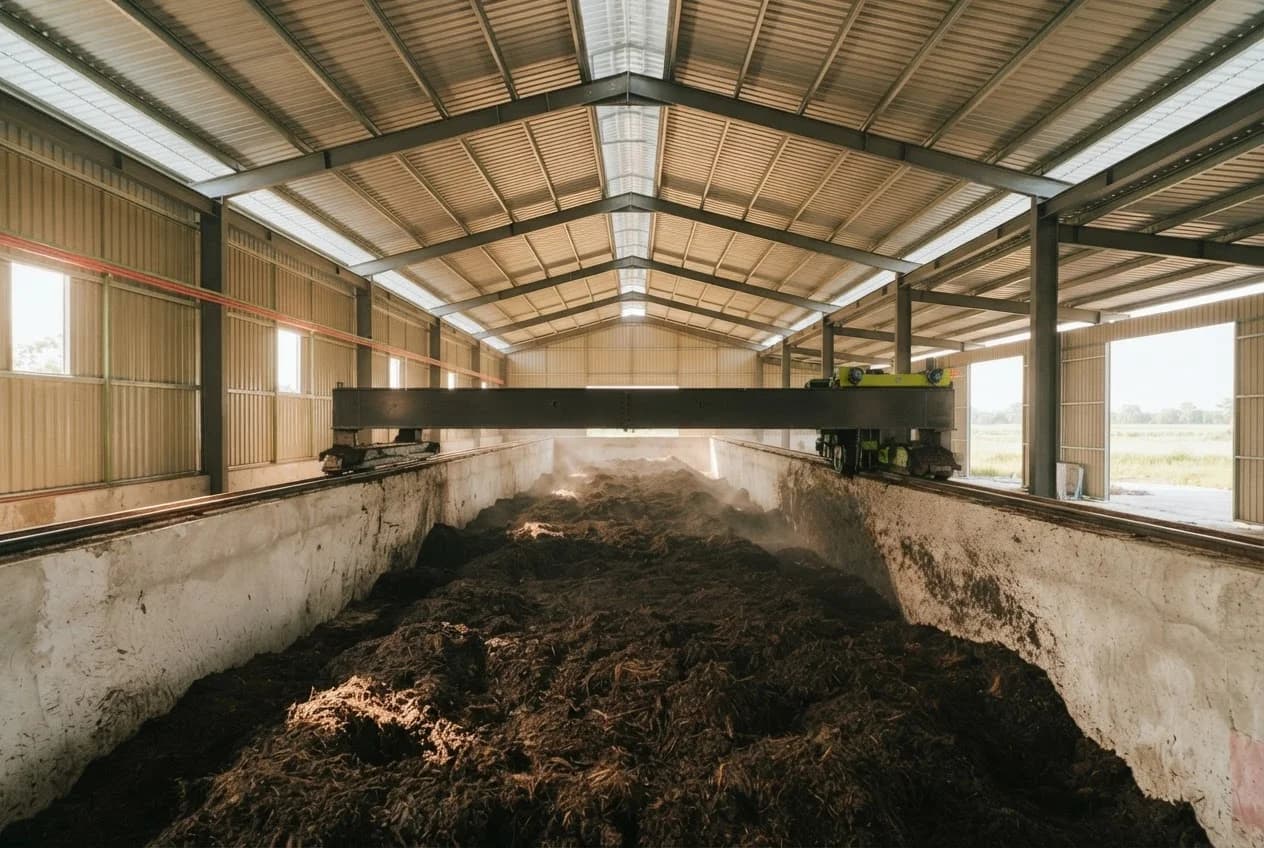
Poultry manure and green-waste carbon are composted into mature fertiliser, with BSFL frass and beneficial micro-organisms driving the process.
- Aerobic fermentation troughs
- Automated turners
- Inlet hoppers
- Crushers
- Trommel sieves
Quality
A laboratory on site.
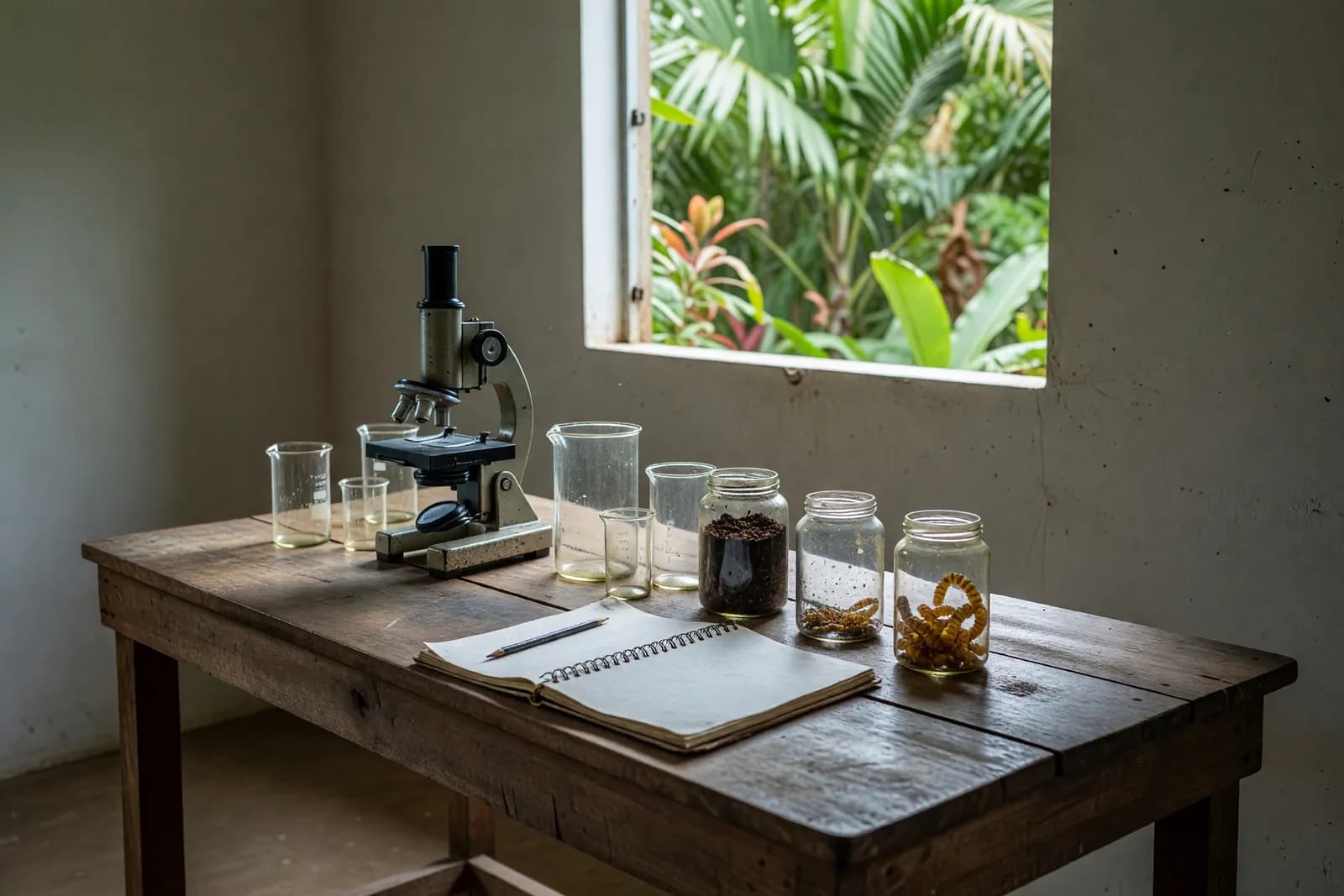
The Hub’s laboratory carries out biological quality and feed testing, supporting our standards for operations, biosecurity and product quality. Product analysis is available on request.
Working on BSFL, composting or microbiology?
We welcome technical and academic collaboration, and internships for agricultural-biotechnology students.